How to Plant a Citrus Tree in Clay Soil: A Step-by-Step Guide
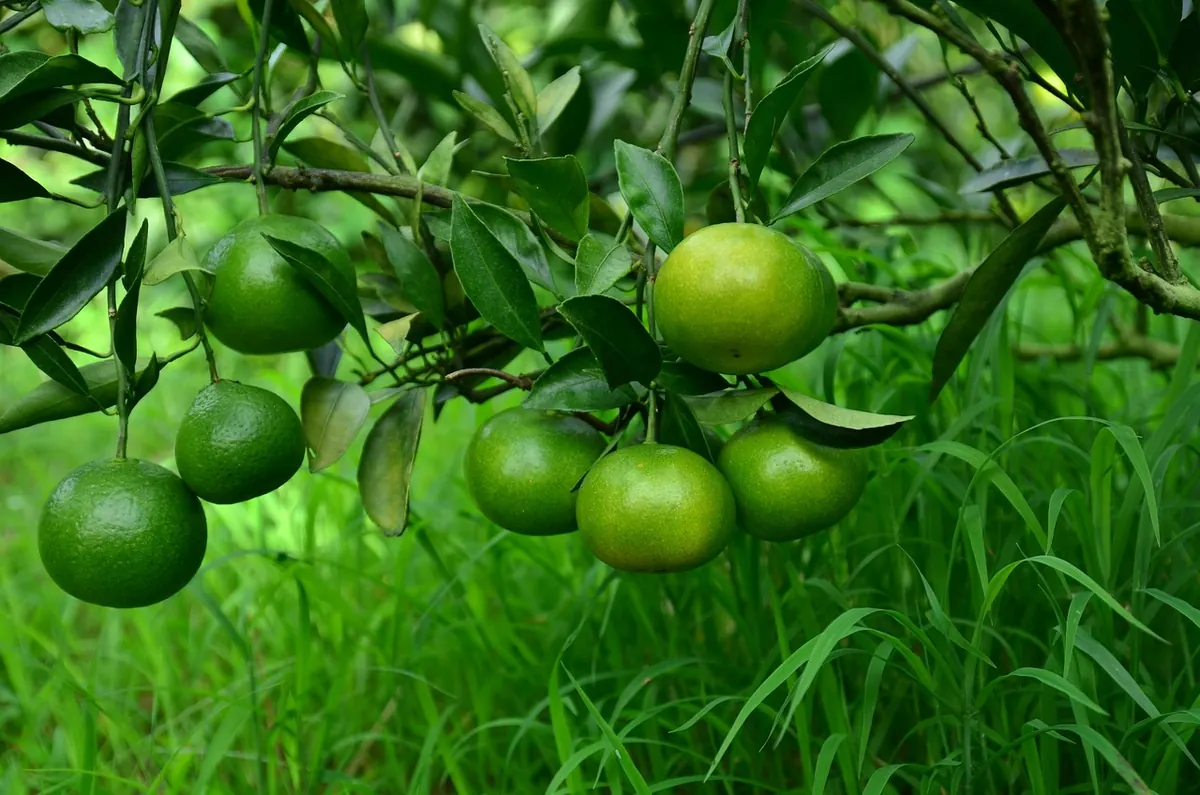
Citrus is not a fussy plant about much. Give it sun, warmth, and steady moisture and it will reward you for decades. Clay soil is the one thing it genuinely resents. Plant a lemon or an orange in heavy, sticky ground without preparation and you will usually find out the following spring, when the leaves yellow, the tips die back, and the tree never quite gets going.
The good news: clay is often fertile and holds nutrients well. It simply needs to be managed so that water moves through it and air reaches the roots. What follows is the method we use when a customer's garden turns out to be half brick.
Why clay soil troubles citrus
Citrus roots are shallow, fibrous, and greedy for oxygen. In a healthy soil, water drains down and air follows behind it. In clay, water fills the pore spaces and stays there. Roots that sit in saturated soil for days on end cannot respire, and they begin to rot. The pathogens that cause root and crown rots thrive in exactly those conditions.
There is a second problem. Clay swells when wet and shrinks when dry, cracking and pulling away from the trunk. Trees planted deep in it often end up with the graft union buried, which invites decay and suckers. A citrus tree wants its root flare visible and its top roots in the shallower, warmer layer of soil. Everything below is about achieving that.
Read the site before you dig
Two things matter more than the soil itself: where the water goes and how much sun the spot receives. Citrus needs full sun, six hours or more, ideally with the shelter of a wall to soak up heat and ripen fruit. Avoid the low corner of the garden where runoff collects, and avoid anywhere a downpipe or a slope delivers water toward the tree.
Then run a simple drainage test. Dig a hole about 30 cm deep and as wide, fill it with water, let it drain, then fill it again. If the second fill is still standing after 24 hours, you have a drainage problem worth fixing before planting. It costs you a day and saves you a tree.
Fix the water before you fix the tree
Drainage is easier to solve before planting than after. Depending on what you find, some combination of the following will work.
- Raise the planting area. A mound is the simplest and most reliable fix for a single tree in heavy ground.
- Divert surface water. A shallow swale or a low earth ridge uphill of the tree can keep runoff from pooling around the trunk.
- Consider a French drain. In badly waterlogged spots, a gravel-filled trench leading away to a lower point, or to a soakaway, is worth the effort.
- Break the hardpan. If a compacted layer sits below the topsoil, fork it over across a wide area so water can pass through.
- Grow in a large container. If the ground is genuinely unsuitable, a citrus in a big pot of free-draining mix will outperform a struggling tree in a bog.
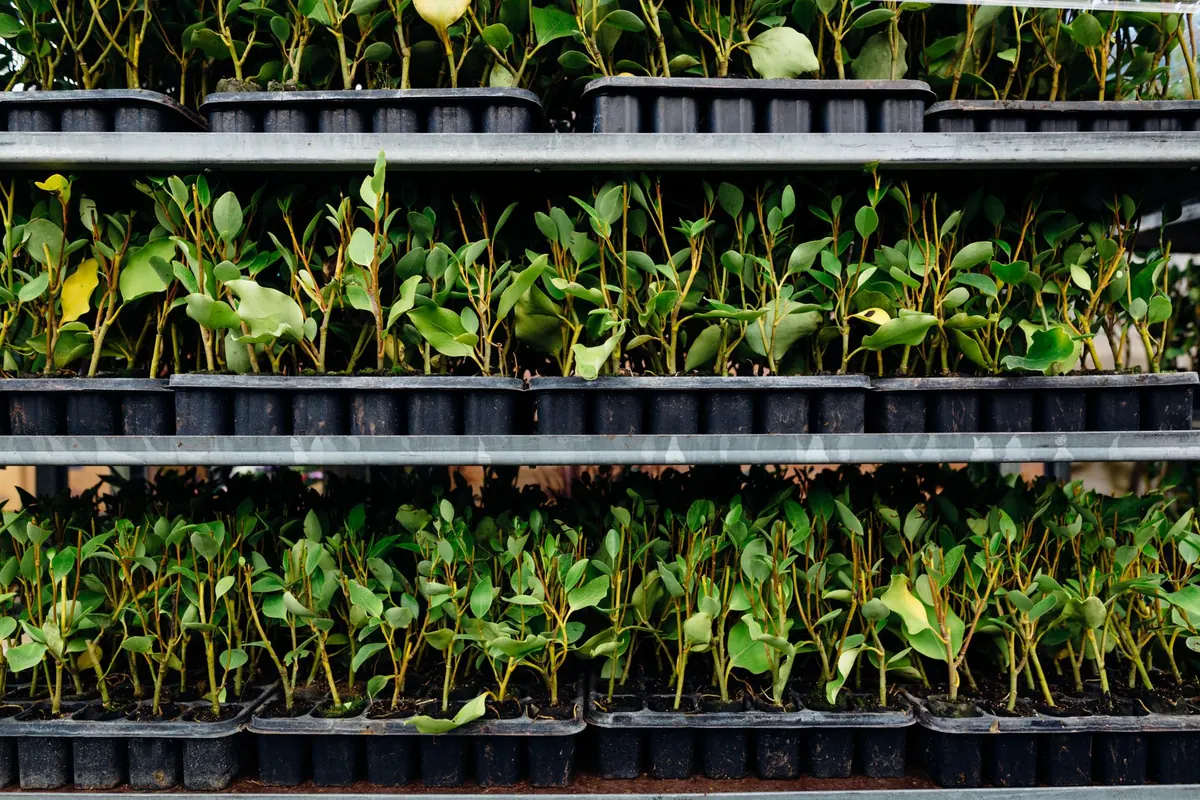
Also think about variety and rootstock. Citrus grafted onto rootstocks bred for tolerance of wet feet and soil-borne root problems will cope far better than a random seedling. Ask at the nursery what the tree is grafted onto.
Mound planting, step by step
Plant in spring once the risk of hard frost has passed. A tree that has a full season to root before winter is a tree that survives.
- Mark the mound. Aim for a base around 1.2 to 1.5 m across and a finished height of 40 to 50 cm at the centre, with gently sloping sides.
- Loosen, don't dig a pit. Fork the top 15 cm of ground under the mound to relieve compaction. Do not dig a deep hole into the clay beneath it, because that becomes a sump that fills with water and holds it.
- Build the mound. Use the soil you have, mixed with coarse grit, a little sharp sand, and a modest amount of well-rotted compost. A rough ratio of two parts native soil to one part grit and compost is a reasonable start. Blend it thoroughly; layers of contrasting texture can themselves trap water.
- Set the tree high. Position the rootball so the top of it sits slightly above the surrounding mound surface. The root flare, where the trunk widens into the roots, should be clearly visible and never buried. The graft union should sit well clear of the soil.
- Backfill and firm gently. Use the mound mix, not a pocket of rich compost. Firm with your hands, not your boots. Rich planting holes encourage roots to circle in comfort rather than spread into the surrounding soil.
- Stake low and loose. One or two stakes with soft ties, allowing the trunk to move a little. Mounds settle, and a young tree with a shallow root plate benefits from support for the first year or two.
- Water in. Water slowly until the mound is thoroughly wet, then stop. Do not keep topping up.
- Mulch around, not against. A 5 to 8 cm layer of bark or compost over the mound, pulled back 10 cm from the trunk, keeps moisture even and suppresses weeds.
Watering and the first season
Most young citrus trees in clay are killed by kindness. The mound drains, the mulch conserves, and the clay beneath holds reserves. Water deeply twice a week in the first month or two, then judge by feel: scrape back the mulch and check the soil at root depth before watering again. In cool, wet weather, you may not need to water at all.
Watch for yellowing leaves with green veins, which often signals iron or other micronutrient shortages in alkaline soil rather than a lack of food. Apply a citrus fertiliser formulated for your region from the point when you see new growth, and keep grass and weeds well clear of the mound, since they compete directly with shallow roots.
The years that follow
Let the mound settle but keep the root flare exposed. Replenish mulch annually, and after the first year or two, begin stretching the interval between waterings to encourage deeper rooting. Some surface cracking of clay around the mound is normal; what matters is that the water keeps moving.
Prune only what is damaged or crossing, at least until the tree is well established. Frost protection matters more than shaping in the early years, particularly for limes and lemons. And if the leaves look tired in a wet autumn, check that the soil beneath the mulch is not staying saturated, and consider extending the mound or improving the drainage further.
A short practical checklist
Test drainage before you buy the tree. Pick the sunniest, most sheltered spot that is not the lowest point of the garden. Build a generous mound of native soil blended with grit and compost, plant high, and leave the root flare visible. Stake loosely, water deeply but infrequently, and mulch to the trunk's edge and no further.
Clay is not a life sentence for citrus. It is a soil type that asks you to think about water before you think about the tree. Get that part right, and the tree will do the rest.
Photo: Chatt_13 / Pixabay