Beginner’s Guide to Growing Citrus in Containers
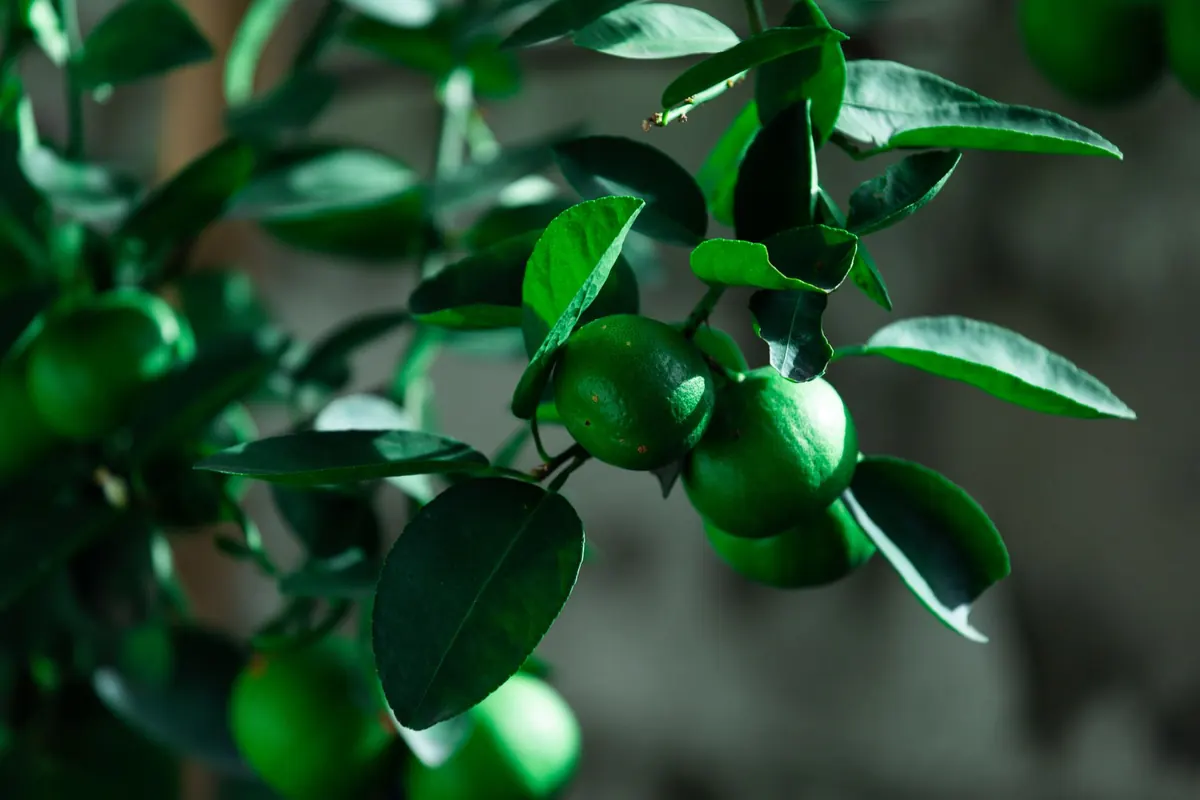
A citrus tree in a pot is a stubborn, generous thing. Give it the right root space, a free-draining mix and enough sun, and a plant that started life in a nursery can spend a decade on the same terrace, flowering in spring and holding fruit through the winter. Get one detail wrong — almost always drainage or watering — and it will sulk, drop its leaves and refuse to set anything. The encouraging part is that container growing gives you control over the three things that matter most: the soil, the water and the shelter. Fix those and the tree does the rest.
Choose the Pot Before the Plant
Buy the container first, because the nursery's rootball is a fixed quantity and the pot is the variable you can still change. Pick something only a little wider than the rootball — roughly five to ten centimetres of extra space around it. Dropping a young citrus into an enormous tub is the most common beginner's mistake: the surplus compost stays wet for weeks, the roots suffocate and the tree sits there doing nothing. You can size up again in two or three years, in spring, just as growth begins.
Drainage matters more than material. A pot with one small hole and no feet will hold a sump of stagnant water under the rootball. Look for several generous holes and stand the pot on bricks, pot feet or a wheeled trolley so water leaves freely. Terracotta breathes and dries faster, which suits cool, humid climates and people who water too often. Glazed or plastic pots hold moisture longer, which helps in a hot, dry summer. Whatever you choose, it needs to be heavy enough not to blow over once a metre-tall tree is carrying fruit.
Build a Mix That Drains
Citrus roots need air as much as water, and garden soil in a pot compacts into a brick. Start with a good potting compost — soil-based or peat-free, either works — and lighten it with coarse bark or coir plus grit or perlite. A rough guide is two parts compost, one part bark and one part grit. The finished mix should feel crumbly, fall from your fingers, and let water run through within seconds of watering.
Aim for a slightly acidic reaction. Most general potting composts land close enough, but if new leaves emerge yellow with green veins, your mix or your water is probably pushing the pH up. Rainwater instead of tap water helps over the long term, particularly in hard-water areas.
Plant with the graft union — the knobbly join low on the trunk — clearly above the soil line. Bury it and you invite rot and rootstock suckers. Leave two centimetres of clear space between the compost surface and the rim so you can water without it all sloshing over the side, and top-dress with fresh compost or bark each spring instead of mounding soil against the trunk.
Water Deeply, Then Wait
This is where most container citrus are lost, and usually through too much kindness. The rhythm is simple: soak the pot until water runs out of the drainage holes, then wait. How long you wait depends on the weather, the pot and the size of the tree — a day or two in a hot July, a week or more in a cool conservatory in December.
Test before you water. Push a finger three or four centimetres into the compost, or lift the pot to judge its weight. If it is still cool and damp at that depth, give it another day. Citrus want a wet-then-nearly-dry cycle. Constant damp is what rots roots and makes leaves drop.
In a Mediterranean summer that means watering most days, sometimes twice on a scorching day for a small pot, and always in the morning or evening rather than at midday. In winter, water sparingly — perhaps once a fortnight — and never leave the pot standing in a saucer of water. If the compost has dried out so far that it repels water, dunk the whole pot in a bucket until the bubbles stop.
When in doubt, wait a day. A citrus that is slightly thirsty will recover; one sitting in soggy compost rarely does.
Feed for Leaves, Flowers and Fruit
Container citrus are heavy feeders. Every nutrient the tree uses has to come from the small volume of compost you gave it, and that supply is spent within weeks. Feed from the moment new growth starts in spring until late summer, then taper off.
Use a fertiliser formulated for citrus, which will include the trace elements — iron, magnesium, zinc, manganese — that general flower feeds leave out. Slow-release granules at the start of the season plus a liquid feed every two to three weeks during growth is a workable routine. Some growers prefer liquid only, at half strength, at every watering.
Read the leaves. Pale young growth with green veins usually points to iron or magnesium shortage, common where the water is alkaline; a chelated citrus feed will help. Yellowing older leaves and few flowers often mean simple hunger. Overfeeding shows as scorched leaf margins or a crust of white salts on the compost surface — flush the pot with plenty of water and ease off.
Winter Protection
Cold is the other thing beginners underestimate. Most citrus sold for containers are not fully hardy, and potted roots are far more exposed than roots in the ground. Kumquats and some mandarins take more chill than lemons, limes and grapefruit, so know what you bought before the first frost is forecast.
Move pots to the most sheltered spot you have: against a south- or west-facing wall, under an overhang, or into a greenhouse, conservatory or bright porch. If the tree comes indoors, choose the lightest, coolest room available. A heated living room is too warm and too dark, and the tree will shed leaves within weeks. Aim for cool but frost-free, with as much daylight as you can manage.
Wrap the container itself — bubble wrap or horticultural fleece around the pot, not over the foliage — to protect the roots. A fleece cover over the canopy helps during a hard snap, but lift it on mild days so the leaves can breathe and see light. Cut watering sharply, because cold wet compost is lethal, yet don't let the rootball go bone dry. Keep the leaves clean, too; dust blocks light, and indoor trees attract spider mite and scale.
A quick troubleshooting list
- Leaf drop after moving indoors: usually the shock of sudden light and temperature change. Keep watering light, stop feeding, and wait for spring.
- Sticky leaves and small brown bumps: scale. Wipe them off with a damp cloth or a diluted insecticidal soap, and check the undersides of leaves.
- Fine webbing in winter: spider mite, encouraged by dry indoor air. Raise humidity around the plant and rinse the foliage.
- Yellow leaves with green veins: iron or magnesium shortage, often from alkaline water. Switch to rainwater and a chelated feed.
- Flowers but no fruit: too much shade, or a tree that flowered before it had the strength to carry fruit.
A Simple First-Year Routine
Don't overcomplicate the first season. Follow the calendar and watch the tree rather than the books.
- Early spring: repot if the roots are circling the drainage holes, top-dress if not, and start feeding.
- After the last frost: move the pot outside to its sunniest, most sheltered spot.
- Summer: water deeply and often, feed every two to three weeks, and keep the pot off the ground so it drains.
- Autumn: taper the feeding, cut back the watering, and get the pot under cover before the first cold night.
- Winter: cool, bright, frost-free and barely watered. Leave it alone otherwise.
One tree in a well-chosen pot will teach you more in a year than any amount of reading. Start with a kumquat or a Meyer lemon if you are unsure, keep notes on what you water and when, and adjust as the seasons show you what your particular corner of the terrace can do.