Common Mistakes When Pruning Citrus Trees
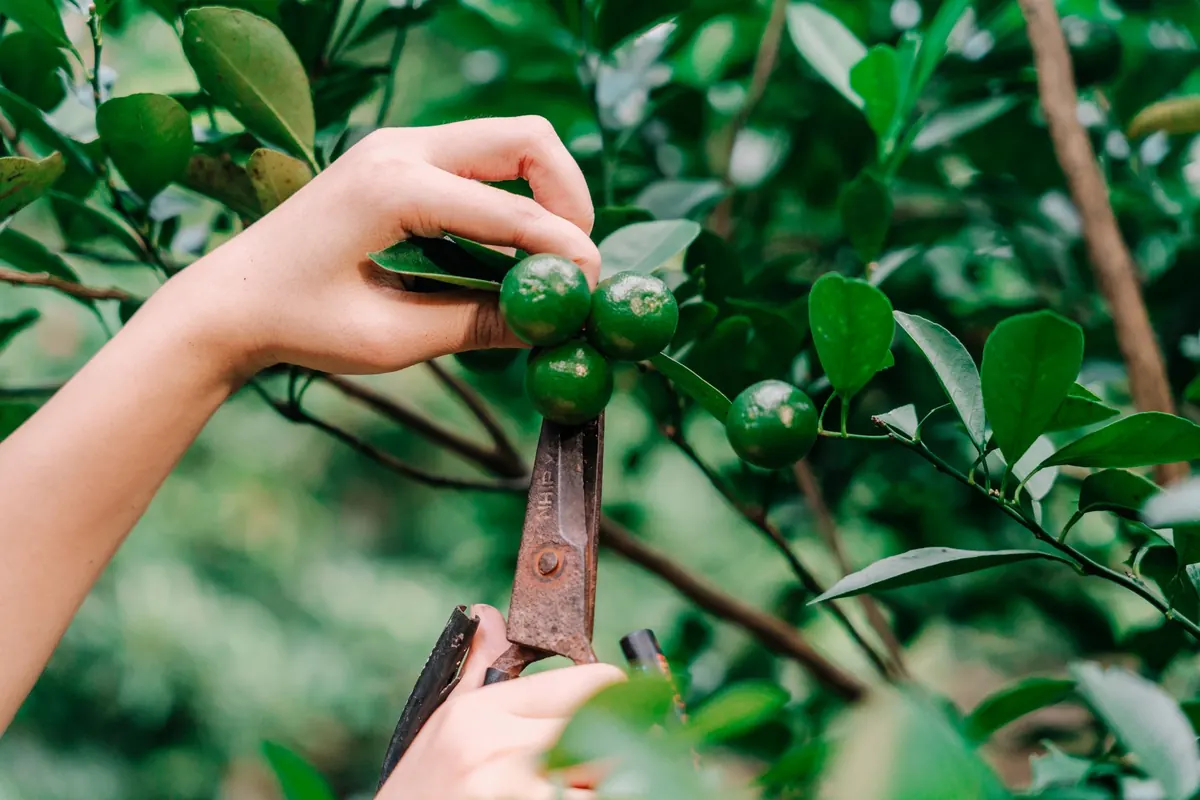
There is a particular moment in late winter when a citrus tree looks scruffy enough to invite the loppers. A few branches cross, one limb leans into the path, and the whole canopy seems crowded. Out come the tools, and half an hour later the tree is neat, open, and considerably smaller than it was. That is usually the point where the trouble starts. Citrus is forgiving in many ways, but it does not forgive rough pruning. The tree answers with a flush of leaves instead of flowers, sunburned bark, or a slow decline that takes two seasons to notice. The good news is that most of the damage comes from a handful of habits, and all of them are easy to correct.
Pruning at the Wrong Time of Year
Citrus is evergreen and never truly dormant, so the tidy-up habit borrowed from apples and pears does not transfer well. The safer window for most Mediterranean gardens is late winter into early spring, once the risk of hard frost has passed and before the main flowering flush begins. Prune then and the tree has a full season to heal cuts and push strong new growth.
Two timings cause most problems. The first is autumn pruning, which encourages soft new shoots just as cold weather arrives; those shoots are the first thing frost kills, and the tree has spent reserves producing them. The second is a heavy summer cut during a heatwave, which exposes bark and fruit to sun at the worst possible moment.
A light shaping pass after harvest is fine, especially on lemons, which flower and fruit more loosely than oranges. Just keep it light. And if a branch is broken, diseased, or hanging over a roof, cut it whenever you find it. Emergency work is not the same as a pruning season.
Leaving Stubs and Cutting Into the Collar
Two opposite errors, one result: a wound that will not close cleanly. Leave a long stub and the wood beyond the cut dies back, giving decay a soft entry point. Cut too flush, right against the trunk, and you remove the branch collar, the slight swollen ridge where the branch meets the parent limb. That collar is the tree's own sealing tissue; take it off and the wound stays open far longer.
Look for the ridge, then cut just outside it, at a slight angle running away from the trunk so water does not sit on the cut surface. On limbs heavier than your forearm, use the three-cut method: a shallow undercut a hand's width out from the trunk, a top cut slightly further out to remove the weight, then a final clean cut at the collar. Without the undercut, the branch tears away as it falls and strips a ribbon of bark down the trunk.
Skip the wound paint. For citrus, a clean cut with a sharp tool is better than a dressed messy one.
Taking Off Too Much in One Go
An overgrown tree is tempting to reset. Resist it. Much of the fruit you will pick next season develops on wood the tree grew the season before, so every healthy branch removed is a trade: leaves now, fewer flowers later. Heavy cuts also push the tree into vigorous vegetative growth, which produces long thorny shoots and shade instead of fruit.
A working limit
- Remove no more than about a quarter of the canopy in a single season.
- Never take more than a third, even on a tree that has been neglected for years.
- If a tree needs real renovation, spread the work over two or three seasons, starting with dead, damaged, and crossing wood.
- Leave the strongest scaffold limbs alone until the tree has responded to the lighter work.
There is a quiet benefit to restraint. Leaves feed fruit, and fruit quality follows leaf area. Strip a lemon tree hard and the first crop afterwards often comes in thinner-skinned, lower in juice, and slower to size.
Skirting the Trunk and Stripping the Canopy
Lifting the lower branches is a popular instinct, and it is one of the most damaging. Citrus bark is thin and does not cope with direct sun; exposed limbs can scorch, crack, and in young trees the damage can girdle the trunk. Low branches also shade the root zone and keep the soil around the trunk cooler and moister through summer.
Aim to keep the lowest permanent branches roughly knee to hip height above the ground, and remove only what actually touches the soil, blocks irrigation, or prevents access. If you do expose a trunk or a large limb, paint it with white latex diluted about half and half with water. Orchardists have done this for decades and it works.
The same logic applies inside the canopy. Do not hollow the tree out in pursuit of light. Citrus fruits reasonably well in dappled shade, and the interior leaves are part of the tree's reserves. Clear out what is dead, crossing, or rubbing. Leave the rest.
Ignoring Suckers, Water Sprouts, and the Graft Line
Find the graft union, that slight bend or scar a hand's width or two above the soil, and treat it as a boundary. Anything pushing out below it is rootstock growth, usually vigorous, thorny, and nothing like the variety you planted. Left alone, it can outgrow the fruiting canopy and steal the water and nutrients meant for it.
Water sprouts are the vertical shoots that bolt upward from the inside of the canopy after a heavy cut. They rarely fruit and they shade the wood that would. Rub both kinds out by hand while they are still soft and green; it takes seconds and saves a saw cut later. On older, thicker suckers, cut them flush at the point of origin rather than snipping halfway.
Blunt Tools and Borrowed Hygiene
A dull blade bruises tissue rather than slicing it, and bruised cuts heal slowly. Use bypass pruners for live wood, loppers for branches up to a couple of centimetres, and a pruning saw beyond that. Sharpen regularly through the session, and keep a small rag and a bottle of rubbing alcohol with you.
- Clean blades between trees, and after every cut on wood that looks diseased.
- Choose a dry day. Pruning wet foliage spreads problems you would rather not move around the garden.
- Bag diseased prunings and take them off site; do not leave them at the base of the tree.
- Clear fallen leaves and fruit from the pruning area, then water the tree lightly if the soil is dry.
One more small thing with a large effect: cut stems and leaves into shorter lengths before they go on the compost. Citrus wood is slow to break down, and a heap of long, thorny branches is a job you will avoid for a year.
A Simple Routine That Keeps Trees Productive
Walk the tree before you open the loppers. Look up from underneath, then step back and look from the side. Decide what the prune is for: air, access, removing damage, or encouraging new fruiting wood. If you cannot name the reason for a cut, leave the branch where it is.
Then work in order. Dead and broken wood first. Suckers and water sprouts second. Crossing and rubbing branches third. Only then consider shaping, and stop while the tree still looks full. Step back twice as often as you think you need to.
The best-pruned citrus trees rarely look pruned at all. They look like trees that get light, air, and a little attention every year, and they carry fruit through the canopy instead of only on the outside. That is a far better outcome than a tidy tree in March and a thin crop in November.
Photo: Ninh Tien Dat / Pexels